Description
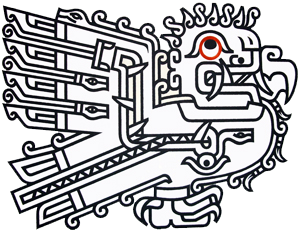
The Andean condor (Vultur gryphus) in flight. It has dark plumage with a distinctive white ruff and pale stripes on its wings. It belongs to the family of New World vultures and, with a wingspan of up to three metres, is considered one of the largest flight-capable bird species in the world. Although the Andean condor is mostly associated with the high peaks of the Andes (such as the famous Colca Canyon), it actually descends regularly to the Peruvian Pacific coast. This photograph was taken on the Paracas Peninsula. In the Paracas National Reserve and along the nearby cliff-lined coast, the condors make use of the strong sea winds and updrafts along the steep cliffs to glide for kilometres without expending much energy. They are drawn there for one reason above all: the availability of food. On the coast, they feed on the carrion of beached marine mammals (such as sea lions) or the remains of seabird colonies. – 1977