logo
  • Home
  • His life ...
    • Biography
    • Curriculum Vitae
    • Book: “Maximilien au Désert” NEW !
  • His work ...
    • Books
    • Expos
    • Painting
    • Embossings
    • New Year's wishesNEW !
    • Online ExhibitionsNEW !
    • Slideshows
  • Media ...
    • Documentation
    • Videos
    • Contact
  • Photo Gallery ...
    • All Photos
    • -
    • Sahara Rock Art completed
    • Tuareg
    • Pueblos
    • Northwest Indians
    • Peru
    • The culture of the Incas
    • Pre-Inca cultures
    • The Northern Andes Expanded!
    • The Central Andes Expanded!
    • The Southern Andes Expanded!
    • Argentina
    • Gauchos
    • Central America
    • Sahara 1962-1975
    • Sahel
    • Sahara : Tassili - Tadrart 1993
    • From the Ténéré to the Aïr Mountains
    • In the dunes of Erg Izane
    • Across the Tamgak Mountains
    • From Adrar Bous into the Tamgak Mountains
    • With the Tuareg on the edge of the Tamgak Mountains
    • Building a Tataram: Documentation
    • The Spice Route – Spices NEW !
    • The Spice Route – Java and Sulawesi NEW !
    • The Spice Route – Moluccas NEW !
    • The Spice Route – Malaysia, Singapore and Sri Lanka NEW !
    • The Spice Route – India : Kerala, Goa and Mumbai NEW !
    • The Spice Route – India: Rajasthan NEW !
    • The Spice Route – Africa – Europe NEW !
  • Comments
    flag flag flag flag    

Description

  • Foto Number: AND-213

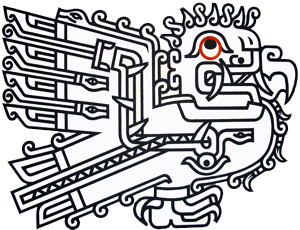
The Andean condor (Vultur gryphus) in flight. It has dark plumage with a distinctive white ruff and pale stripes on its wings. It belongs to the family of New World vultures and, with a wingspan of up to three metres, is considered one of the largest flight-capable bird species in the world. Although the Andean condor is mostly associated with the high peaks of the Andes (such as the famous Colca Canyon), it actually descends regularly to the Peruvian Pacific coast. This photograph was taken on the Paracas Peninsula. In the Paracas National Reserve and along the nearby cliff-lined coast, the condors make use of the strong sea winds and updrafts along the steep cliffs to glide for kilometres without expending much energy. They are drawn there for one reason above all: the availability of food. On the coast, they feed on the carrion of beached marine mammals (such as sea lions) or the remains of seabird colonies. – 1977
  • Keywords:
    South America Peru Ica Pisco Paracas Costa Andes Central Andes condor landscape

Description

  • Foto Number: AND-213

The Andean condor (Vultur gryphus) in flight. It has dark plumage with a distinctive white ruff and pale stripes on its wings. It belongs to the family of New World vultures and, with a wingspan of up to three metres, is considered one of the largest flight-capable bird species in the world. Although the Andean condor is mostly associated with the high peaks of the Andes (such as the famous Colca Canyon), it actually descends regularly to the Peruvian Pacific coast. This photograph was taken on the Paracas Peninsula. In the Paracas National Reserve and along the nearby cliff-lined coast, the condors make use of the strong sea winds and updrafts along the steep cliffs to glide for kilometres without expending much energy. They are drawn there for one reason above all: the availability of food. On the coast, they feed on the carrion of beached marine mammals (such as sea lions) or the remains of seabird colonies. – 1977

  • Keywords:
    South America Peru Ica Pisco Paracas Costa Andes Central Andes condor landscape

Website © 2026 pb + StratLabs
Copyright © Estate of Maximilien Bruggmann for all photos. Any use for commercial purposes prohibited.
flag flag flag flag