logo
  • Home
  • His life ...
    • Biography
    • Curriculum Vitae
    • Book: “Maximilien au Désert” NEW !
  • His work ...
    • Books
    • Expos
    • Painting
    • Embossings
    • New Year's wishesNEW !
    • Online ExhibitionsNEW !
    • Slideshows
  • Media ...
    • Documentation
    • Videos
    • Contact
  • Photo Gallery ...
    • All Photos
    • -
    • Sahara Rock Art completed
    • Tuareg
    • Pueblos
    • Northwest Indians
    • Peru
    • The culture of the Incas
    • Pre-Inca cultures
    • The Andes
    • Argentina
    • Gauchos
    • Central America
    • Sahara 1962-1975
    • Sahel
    • Sahara : Tassili - Tadrart 1993
    • From the Ténéré to the Aïr Mountains
    • In the dunes of Erg Izane
    • Across the Tamgak Mountains
    • From Adrar Bous into the Tamgak Mountains
    • With the Tuareg on the edge of the Tamgak Mountains
    • Building a Tataram: Documentation
    • The Spice Route – Spices NEW !
    • The Spice Route – Java and Sulawesi NEW !
    • The Spice Route – Moluccas NEW !
    • The Spice Route – Malaysia, Singapore and Sri Lanka NEW !
    • The Spice Route – India : Kerala, Goa and Mumbai NEW !
    • The Spice Route – India: Rajasthan NEW !
    • The Spice Route – Africa – Europe NEW !
  • Comments
    flag flag flag flag    

Description

  • Foto Number: EPI-109A

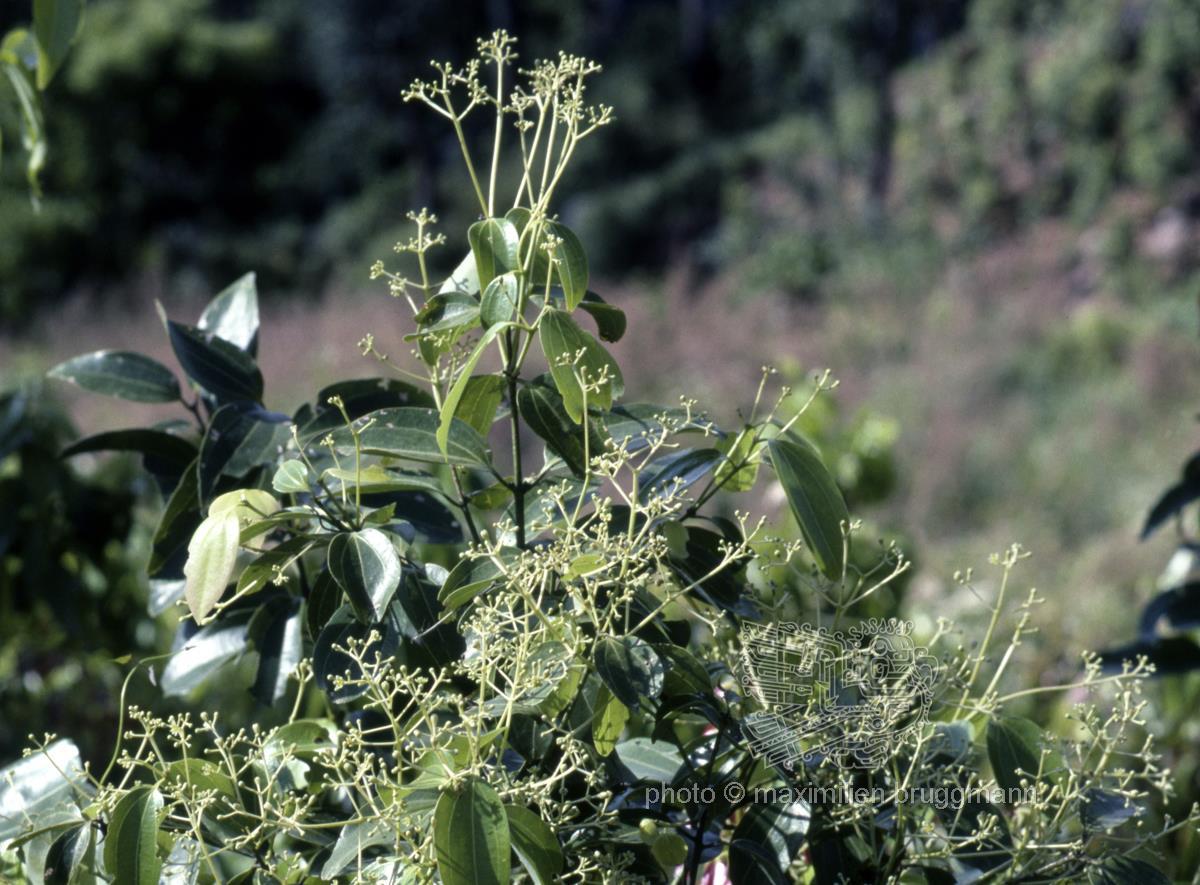
A flowering cinnamon tree in Sri Lanka. Various environmental factors contribute to the growth of this spice tree here. First, the high average temperature of twenty-five to thirty degrees; second, annual rainfall of at least two thousand millimeters; and finally, sandy soils with a high quartz content. The plantations, which require no special care, are established as dense nurseries. Farmers limit their efforts to occasional hoeing, weeding, and fertilizing with natural materials such as manure or copra residues. However, the tree must be pruned regularly so that it does not grow too tall. The cinnamon tree then develops numerous root suckers and takes on a shrub-like form. The cinnamon tree is propagated by seed, cuttings, and layering. – 1990

  • Keywords:
    Asia Sri Lanka condiment cinnamon blossom Spice Route-A Spice Route

Description

  • Foto Number: EPI-109A

A flowering cinnamon tree in Sri Lanka. Various environmental factors contribute to the growth of this spice tree here. First, the high average temperature of twenty-five to thirty degrees; second, annual rainfall of at least two thousand millimeters; and finally, sandy soils with a high quartz content. The plantations, which require no special care, are established as dense nurseries. Farmers limit their efforts to occasional hoeing, weeding, and fertilizing with natural materials such as manure or copra residues. However, the tree must be pruned regularly so that it does not grow too tall. The cinnamon tree then develops numerous root suckers and takes on a shrub-like form. The cinnamon tree is propagated by seed, cuttings, and layering. – 1990

  • Keywords:
    Asia Sri Lanka condiment cinnamon blossom Spice Route-A Spice Route

Website © 2026 pb + StratLabs
Copyright © Estate of Maximilien Bruggmann for all photos. Any use for commercial purposes prohibited.
flag flag flag flag