logo
  • Home
  • His life ...
    • Biography
    • Curriculum Vitae
    • Book: “Maximilien au Désert” NEW !
  • His work ...
    • Books
    • Expos
    • Painting
    • Embossings
    • New Year's wishesNEW !
    • Online ExhibitionsNEW !
    • Slideshows
  • Media ...
    • Documentation
    • Videos
    • Contact
  • Photo Gallery ...
    • All Photos
    • -
    • Sahara Rock Art completed
    • Tuareg
    • Pueblos
    • Northwest Indians
    • Peru
    • The culture of the Incas
    • Pre-Inca cultures
    • The Andes
    • Argentina
    • Gauchos
    • Central America
    • Sahara 1962-1975
    • Sahel
    • Sahara : Tassili - Tadrart 1993
    • From the Ténéré to the Aïr Mountains
    • In the dunes of Erg Izane
    • Across the Tamgak Mountains
    • From Adrar Bous into the Tamgak Mountains
    • With the Tuareg on the edge of the Tamgak Mountains
    • Building a Tataram: Documentation
    • The Spice Route – Spices NEW !
    • The Spice Route – Java and Sulawesi NEW !
    • The Spice Route – Moluccas NEW !
    • The Spice Route – Malaysia, Singapore and Sri Lanka NEW !
    • The Spice Route – India : Kerala, Goa and Mumbai NEW !
    • The Spice Route – India: Rajasthan NEW !
    • The Spice Route – Africa – Europe NEW !
  • Comments
    flag flag flag flag    

Description

  • Foto Number: ZAM-010

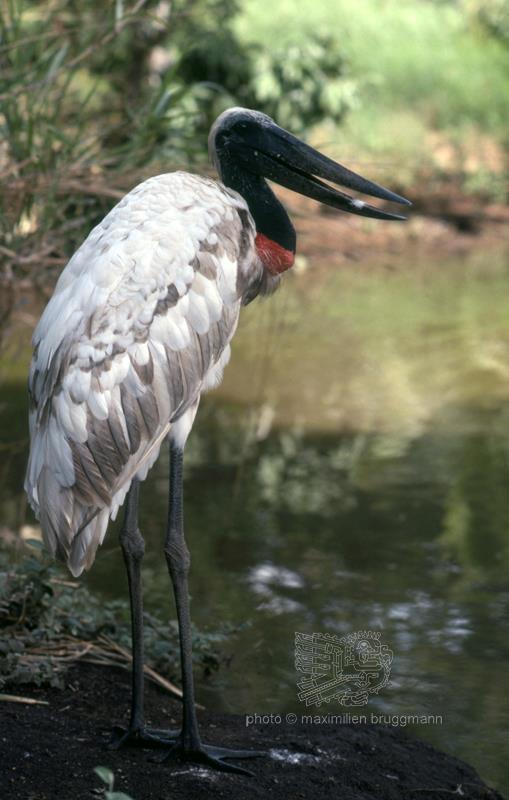
The ornithological fauna of Central America comprises twenty-two orders and eighty-six families. It is undoubtedly one of the richest in the world and has long been the prestige of the republics of the sub-continent. A multitude of birds appear among the designs that adorn pottery and codices from pre-Columbian times. Unfortunately, we know almost nothing about the exact significance of these animals in the religious life of the ancient inhabitants of the region. The same is true of the jabira, which is the largest stork in the world, a splendid bird represented in this document. - 1977

  • Keywords:
    Central America bird stork Jabira

Description

  • Foto Number: ZAM-010

The ornithological fauna of Central America comprises twenty-two orders and eighty-six families. It is undoubtedly one of the richest in the world and has long been the prestige of the republics of the sub-continent. A multitude of birds appear among the designs that adorn pottery and codices from pre-Columbian times. Unfortunately, we know almost nothing about the exact significance of these animals in the religious life of the ancient inhabitants of the region. The same is true of the jabira, which is the largest stork in the world, a splendid bird represented in this document. - 1977

  • Keywords:
    Central America bird stork Jabira

Website © 2026 pb + StratLabs
Copyright © Estate of Maximilien Bruggmann for all photos. Any use for commercial purposes prohibited.
flag flag flag flag